Sapphire / नीलम
Explore faceted sapphire and briolette cutting. Enquire about the colour and cut you are looking for.
EnquireSapphire belongs to the corundum family and is best known for its blue colour. Read about choosing and caring for a sapphire, including our speciality briolette cut.
Explore the collection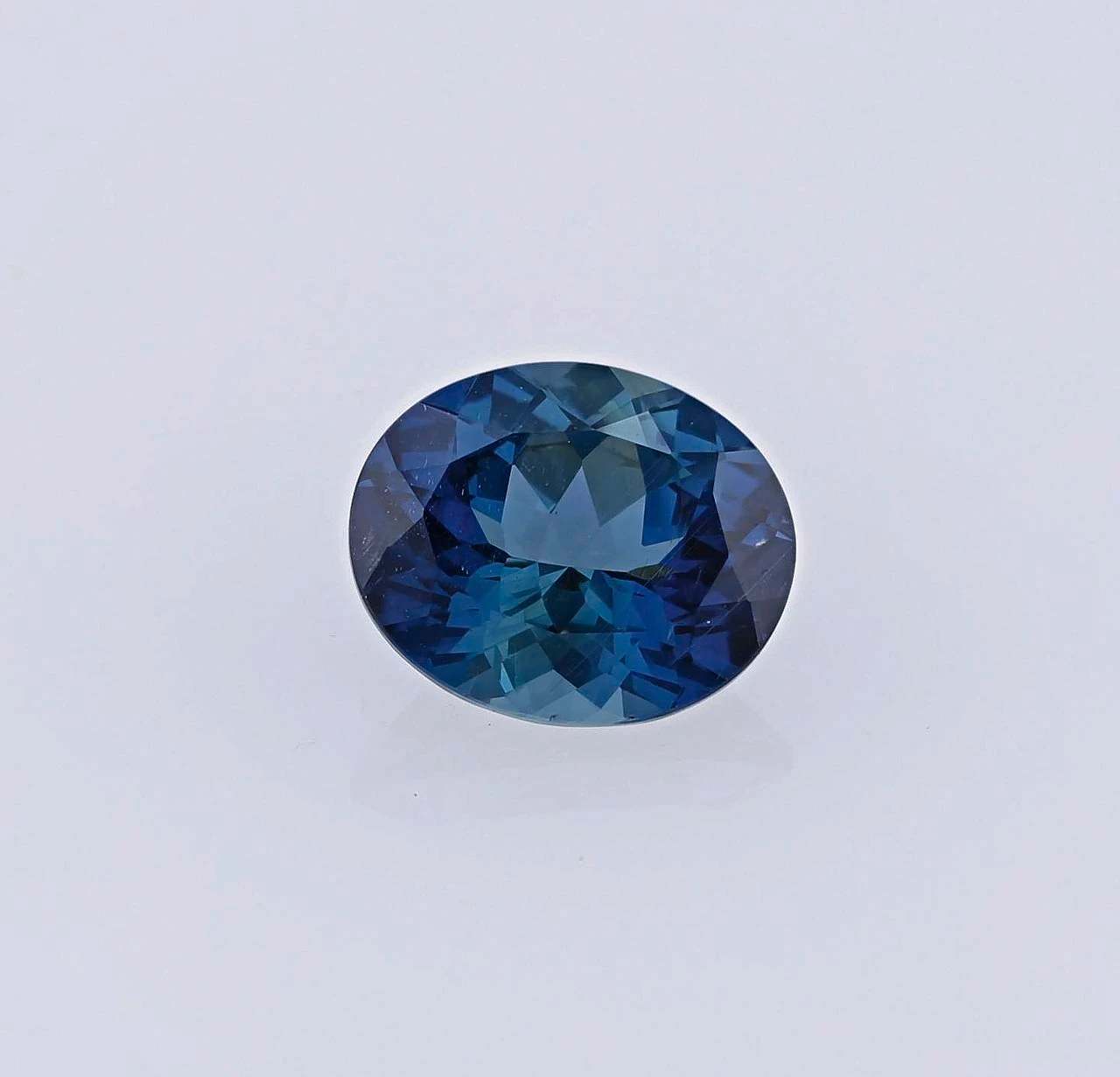
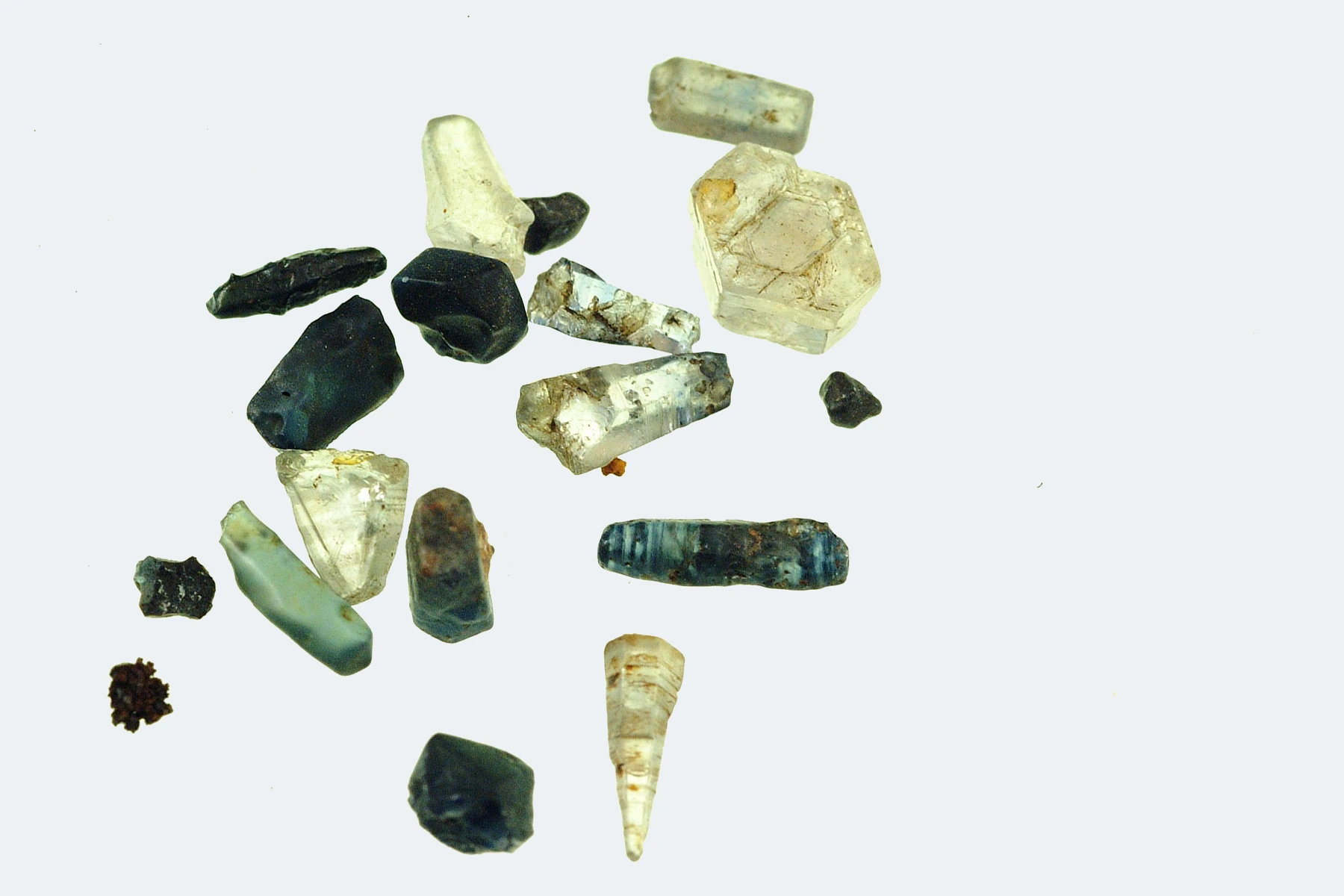
Sapphire belongs to the corundum family. Blue is its best-known colour, with shades ranging towards green or violet, but sapphires also occur in pink, yellow, orange, green and other colours. Red corundum is called ruby.
Colour can vary within a single sapphire crystal, so careful cutting helps show its colour well. Faceted stones are common, while star sapphires are cut with a smooth domed surface to display light reflected by tiny aligned inclusions.
Compare appearance, cutting and treatment information when choosing a stone for your jewellery.
Compare hue, colour strength and lightness. Notice whether colour looks even when the stone is viewed from above.
Look at transparency, proportions and visible inclusions together. Fine inclusions can give a soft appearance; fractures that affect durability deserve closer attention.
Ask about heat treatment, diffusion and fracture filling. These are different processes, and some treatments affect cleaning or future recutting.
A coloured-stone identification report describes the gemstone and any detectable treatments, including whether the material is natural or laboratory-grown. An identification-and-origin report can add geographic origin when determinable. These findings describe the particular stone examined.
Sapphire ranks 9 on the Mohs scale and has excellent toughness. Warm soapy water suits untreated and heat-treated stones. Use only a damp cloth for fracture-filled, cavity-filled or dyed material. Check treatment before ultrasonic or steam cleaning, and protect filled stones from chemicals.
No. Non-blue varieties are often called fancy sapphires. Pink, yellow, orange, green and purple are examples; colourless sapphire also exists.
Light reflects from tiny needle-like inclusions arranged inside the stone. A domed cabochon cut helps display this effect, usually as a six-ray star.
Its hardness and toughness make it a practical choice for frequently worn jewellery. Treatment still matters: filled or dyed stones need more careful handling and cleaning.
Learn more from the Gemological Institute of America.
Tell us about the stone, cut or design you are looking for.
Make an enquiry